Unlocking Beauty Through Science: Growth and Trends in the Active Cosmetic Ingredients Market
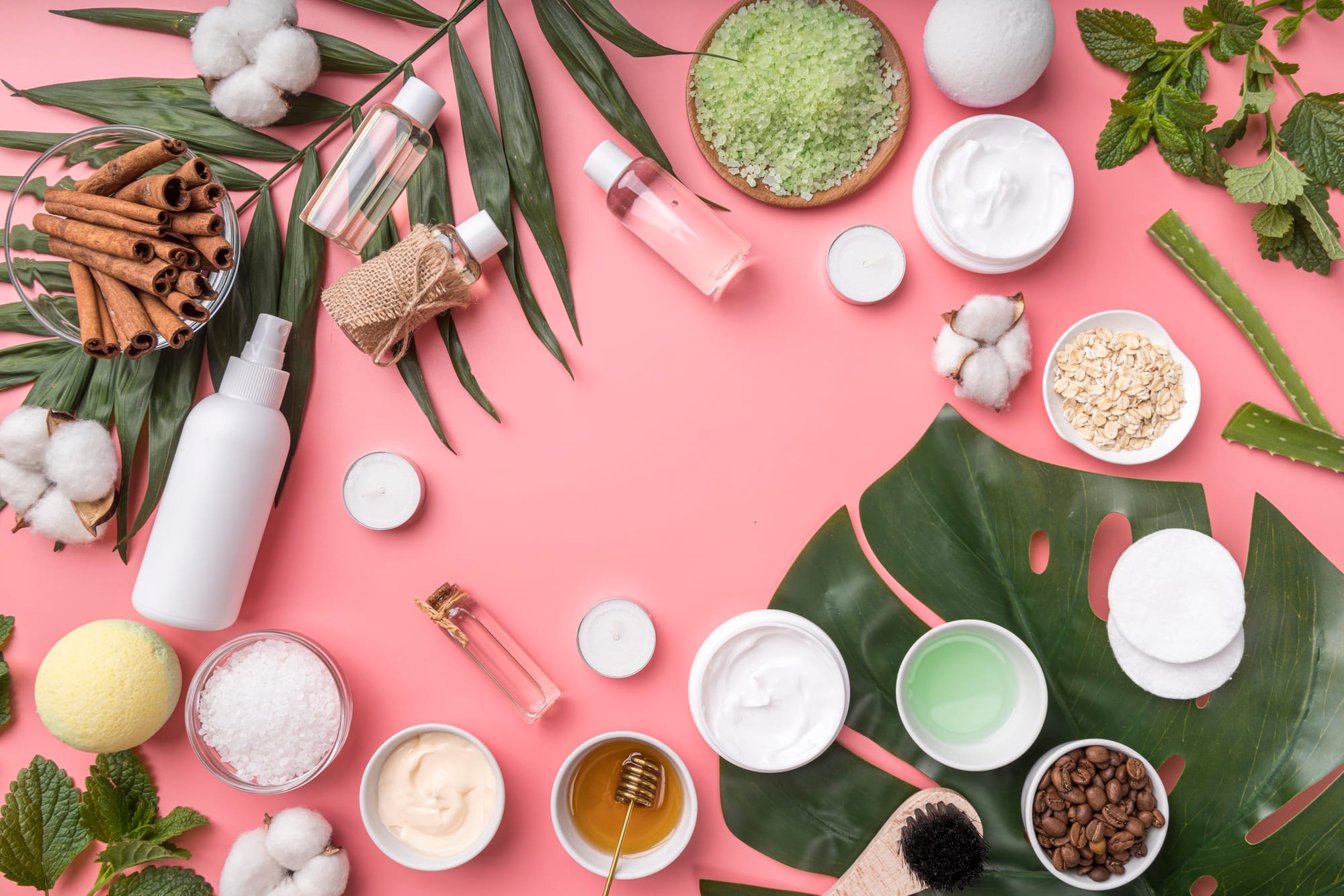
In today’s world, beauty is not just about appearance it’s about health, self-care, and science-driven results. This evolution is driving explosive growth in the Active Cosmetic Ingredients (ACI) Market, where innovation and consumer awareness are combining to reshape the personal care landscape. These high-performance compounds are now the backbone of modern skincare, haircare, and anti-aging solutions, promising real efficacy and visible transformation.
Get Free Sample For Active Cosmetic Ingredients Market: https://www.theinsightpartners.com/sample/TIPRE00013027
What Are Active Cosmetic Ingredients?
Active cosmetic ingredients are biologically active compounds used in cosmetic formulations to deliver targeted benefits to the skin, hair, or body. Unlike basic carriers or fillers, these ingredients are designed to interact with skin cells, improving texture, tone, hydration, elasticity, and more.
Common types of ACIs include:
- Antioxidants (e.g., Vitamin C, Vitamin E)
- Retinoids (e.g., Retinol)
- Peptides
- Alpha Hydroxy Acids (AHAs)
- Hyaluronic Acid
- Botanical Extracts (e.g., Green tea, Aloe vera)
- Enzymes and Probiotics
- UV Filters and Brightening Agents
Key Drivers of Market Growth
1. Consumer Demand for Functionality
Today’s consumers are more informed and ingredient-savvy. They demand products that don’t just smell or feel good but work. Labels with proven actives like niacinamide, peptides, or ceramides attract educated buyers.
2. Rise of Clean Beauty and Transparency
Brands are under pressure to disclose their ingredient lists and ensure safety and sustainability. Naturally derived and bio-based actives are gaining popularity, especially among Gen Z and millennial buyers.
3. Aging Population and Anti-Aging Products
The growing elderly population is fueling demand for anti-aging solutions. Products that reduce wrinkles, improve firmness, and promote cell regeneration rely heavily on potent actives like retinoids and peptides.
4. Innovation in Delivery Systems
Advancements such as encapsulation, nanotechnology, and liposomes are enhancing the stability and efficacy of actives, opening new opportunities for formulators and marketers alike.
5. Personalized and Functional Skincare
With AI-powered skin analysis and at-home diagnostic tools on the rise, consumers are seeking products that align with their unique needs whether that’s hyperpigmentation, sensitivity, or acne.
Market Segmentation
- By Ingredient Type:
- Vitamins (C, E, B3, etc.)
- Antioxidants
- Enzymes
- Proteins & Peptides
- Botanical Extracts
- Sunscreen Agents
- Others (ceramides, exfoliants, etc.)
- By Application:
- Skin Care (anti-aging, moisturizers, brightening)
- Hair Care (strengthening, anti-dandruff, growth-promoting)
- Make-up (foundation with skincare actives)
- Oral Care
- By Source:
- Natural
- Synthetic
- Biotech/Bioengineered
- By Region:
- North America
- Europe
- Asia-Pacific
- Latin America
- Middle East & Africa
Regional Highlights
- Asia-Pacific leads the market, with South Korea and Japan setting trends in functional cosmetics, beauty tech, and ingredient transparency.
- Europe continues to prioritize clean, organic, and sustainably sourced actives due to stringent regulations and high consumer awareness.
- North America is witnessing a surge in dermocosmetics and at-home treatments, boosting demand for clinical-grade ingredients.
Major Players in the Market
Leading chemical and biotech companies are shaping the future of active ingredients through R&D and strategic partnerships:
- BASF SE
- Ashland Global
- Croda International Plc
- Givaudan Active Beauty
- Clariant AG
- Lonza Group
- DSM Nutritional Products
- Symrise AG
- Seppic (Air Liquide)
- Evonik Industries AG
Key Trends to Watch
- Bioengineered Actives: Ingredients produced via fermentation and synthetic biology (e.g., lab-grown collagen).
- Neurocosmetics: Actives that interact with skin's neurosensory system to manage stress-related aging.
- Blue Light Protection: Rise of actives that protect against digital screen exposure.
- Adaptogens and Functional Botanicals: Ancient ingredients like ashwagandha and ginseng are trending in modern formulations.
- Minimalist and Multi-Functional Actives: Fewer ingredients doing more work ideal for sensitive skin and "skinimalism" trends.
Challenges
- Regulatory Barriers: Navigating different approval requirements across regions (e.g., FDA, EU Cosmetics Regulation).
- Stability and Compatibility: Many actives degrade or react with other ingredients if not formulated correctly.
- Price Sensitivity: High-quality actives can be costly, limiting use in mass-market products.
Market Outlook
The Active Cosmetic Ingredients Market is expected to grow at a CAGR of 7–10% over the next five years. With rising consumer expectations and continuous breakthroughs in biotechnology, the future of ACIs lies in personalization, clean formulations, and smart delivery systems.
Conclusion
The era of passive beauty products is fading. Today’s consumers want cosmetics that actively contribute to their health and appearance and the Active Cosmetic Ingredients Market is stepping up to meet this demand. With science, sustainability, and personalization at the forefront, ACIs are redefining what it means to look and feel beautiful.