The Turbo Generator Market: Trends, Growth Drivers, and Future Outlook
Introduction
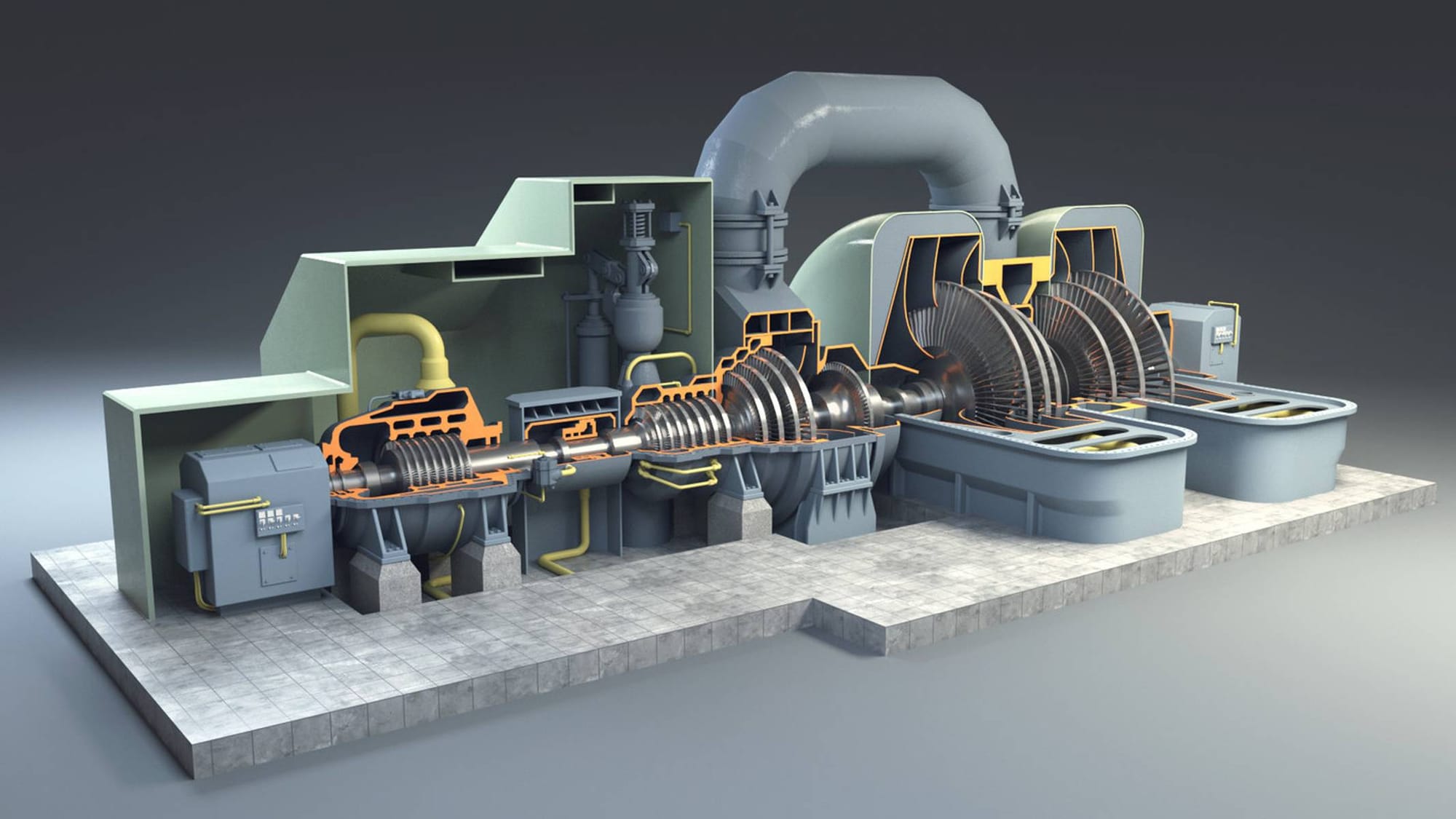
Turbo generators, also known as steam turbine generators, are critical components in power generation systems. These machines convert thermal energy into electrical energy through the use of steam or gas, playing an essential role in power plants worldwide. Turbo generators are primarily used in large-scale industrial applications, such as coal, natural gas, nuclear, and renewable power generation facilities, where they generate electricity in bulk.
As the global demand for energy continues to rise and as industries shift towards more efficient and sustainable solutions, the turbo generator market is experiencing notable growth. In this blog, we will explore the key trends, drivers, challenges, and future prospects of the turbo generator market.
Market Overview
Turbo generators are typically used in combined cycle plants and thermal power stations, where they harness energy from steam or gas turbines. These generators are reliable, efficient, and durable, making them the preferred choice for large-scale electricity production. Turbo generators are available in various sizes, from small units for industrial use to large generators used in power plants and utility-scale operations.
The global turbo generator market is driven by the increasing demand for electricity, the shift toward cleaner energy sources, and the ongoing need for infrastructure upgrades in the power generation industry. The market is also evolving as new technologies in turbine design and generator systems emerge, aiming to improve energy efficiency, reduce carbon emissions, and lower operational costs.
Key Market Segments
1. By Type:
o Steam Turbo Generators
o Gas Turbo Generators
o Combined Cycle Turbo Generators
2. By Application:
o Power Plants (Coal, Gas, Nuclear)
o Renewable Energy Plants (Solar, Wind, Hydro)
o Industrial Applications (Manufacturing, Oil & Gas, Mining)
o Transportation and Marine
3. By Capacity:
o Small Capacity (Below 100 MW)
o Medium Capacity (100 MW – 500 MW)
o Large Capacity (Above 500 MW)
4. By Region:
o North America
o Europe
o Asia-Pacific
o Middle East & Africa
o Latin America
Market Drivers
1. Rising Global Energy Demand
The increasing global population, industrialization, and urbanization are driving the demand for energy across the world. As economies continue to grow, the need for reliable and large-scale electricity generation solutions is on the rise. Turbo generators are an essential part of meeting this demand, especially in regions where coal, natural gas, and nuclear energy are still dominant sources of power.
2. Shift Toward Cleaner Energy Sources
As governments and industries strive to meet sustainability goals and reduce carbon emissions, there is a significant push toward adopting cleaner energy technologies. While renewable energy sources like wind, solar, and hydro are growing rapidly, turbo generators are still integral in certain sectors, especially in combined-cycle power plants and thermal power stations. The shift to more efficient and environmentally friendly systems is creating new opportunities for innovation in turbo generators, particularly those designed for low-emission power generation.
3. Technological Advancements in Turbo Generator Design
Technological innovation is playing a key role in shaping the future of the turbo generator market. Advances in turbine and generator design, such as improvements in efficiency, reliability, and longevity, are driving growth. High-efficiency generators, along with cutting-edge control systems and automation, help power plants reduce operating costs, optimize performance, and minimize downtime. The continued development of high-efficiency steam and gas turbines is enabling the power generation sector to maximize energy output while minimizing fuel consumption and emissions.
4. Infrastructure Modernization
In many parts of the world, particularly in developed countries, aging power plants are undergoing modernization to meet the growing energy demand and address environmental concerns. Upgrading existing plants with advanced turbo generator systems is a key part of this process. Additionally, new projects in developing regions, as well as the expansion of renewable energy plants, are contributing to the demand for turbo generators.
5. Government Initiatives and Regulations
Government policies and incentives promoting energy efficiency, renewable energy adoption, and emission reductions are having a significant impact on the turbo generator market. Many countries are offering tax credits, subsidies, and financial incentives to encourage the deployment of advanced, energy-efficient power generation systems. Moreover, international agreements and regulations aimed at reducing carbon emissions and promoting cleaner technologies further support the adoption of innovative turbo generators.
Challenges in the Market
1. High Capital Investment
The installation of turbo generators, especially those designed for large-scale power plants, involves significant capital investment. For developing regions and emerging economies, this can be a major barrier to the widespread adoption of turbo generators. High upfront costs for equipment, installation, and infrastructure upgrades can slow the implementation of new projects, especially in areas with limited financial resources.
2. Operational and Maintenance Costs
While turbo generators are efficient, the cost of maintaining and operating these systems can be relatively high. Regular maintenance, repairs, and monitoring are required to ensure optimal performance and prevent system failures. Additionally, downtime during maintenance activities can lead to significant losses, especially for power plants that rely on continuous electricity production.
3. Competition from Renewable Energy Sources
As renewable energy sources, such as solar, wind, and hydroelectric power, continue to grow in popularity, they present competition to traditional power generation methods that use turbo generators. The decreasing cost of renewable energy technologies and the increasing efficiency of energy storage systems have made renewables a more attractive option for new power generation installations. This trend may limit the long-term growth of the turbo generator market in certain regions.
4. Environmental Impact of Fossil Fuel-Based Power Generation
Despite efforts to improve efficiency and reduce emissions, the reliance on fossil fuels for power generation still poses significant environmental challenges. As the world moves toward a low-carbon future, the continued use of fossil fuel-based power plants may face increasing pressure from both regulatory bodies and public sentiment. This may affect the demand for turbo generators in certain markets as governments and businesses shift toward cleaner alternatives.
Future Outlook
The turbo generator market is expected to experience steady growth in the coming years, driven by advancements in power generation technologies and the increasing need for energy efficiency. Key trends that will shape the market's future include:
1. Integration of Turbo Generators in Combined Cycle Power Plants
Combined-cycle power plants, which use both gas and steam turbines to generate electricity, are expected to become more widespread due to their high efficiency and low emissions. Turbo generators designed for these plants will continue to be in demand as they provide significant power generation capacity with lower fuel consumption.
2. Adoption of Digitalization and Smart Technologies
The integration of digital technologies, such as IoT sensors, predictive analytics, and AI-based monitoring systems, will further enhance the performance of turbo generators. These technologies can help operators monitor generator health, predict maintenance needs, and optimize overall plant efficiency, reducing downtime and operating costs.
3. Growth in Emerging Markets
The growing energy demand in emerging markets, especially in Asia-Pacific and Africa, will fuel the expansion of turbo generator installations. Governments in these regions are increasingly investing in infrastructure development to meet the energy needs of their populations. Additionally, the adoption of hybrid and low-emission technologies in new power plants will support the demand for advanced turbo generators.
4. Focus on Energy Efficiency and Sustainability
With a global focus on energy efficiency and sustainability, the market for high-efficiency turbo generators will continue to expand. Innovations in turbine design, materials, and manufacturing processes will result in even more energy-efficient solutions that meet both the economic and environmental demands of modern power generation.
Conclusion
The turbo generator market is poised for continued growth as industries around the world seek more efficient, sustainable, and cost-effective solutions for power generation. Despite challenges such as high capital investment and competition from renewable energy sources, technological advancements, government incentives, and the ongoing need for infrastructure upgrades will drive the demand for turbo generators. As new technologies emerge and global energy demands increase, the turbo generator market will play a critical role in ensuring a reliable and efficient energy future.