The Single-Use Bioprocessing Market: Trends, Growth Drivers, and Future Prospects
Introduction
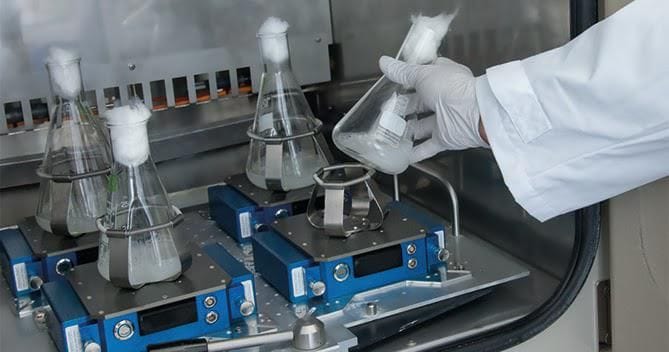
Single-use bioprocessing technology has revolutionized the biopharmaceutical industry by offering cost-effective, flexible, and efficient solutions for drug manufacturing. These disposable bioprocessing systems eliminate the need for cleaning and sterilization, reducing downtime and contamination risks. The increasing adoption of biologics, vaccines, and personalized medicines is fueling the growth of the single-use bioprocessing market.
This blog explores key market trends, drivers, challenges, and future opportunities shaping the single-use bioprocessing industry.
Market Overview
Single-use bioprocessing involves the use of disposable bioreactors, mixers, tubing, and filtration systems to streamline production and enhance operational efficiency. These systems are widely adopted in monoclonal antibody production, cell and gene therapy, and vaccine manufacturing.
Key Market Segments
1. By Product Type:
o Single-Use Bioreactors
o Filtration Assemblies
o Disposable Mixers
o Tubing, Connectors, and Sensors
o Bags & Containers
2. By Application:
o Monoclonal Antibody Production
o Vaccine Development
o Cell & Gene Therapy
o Recombinant Protein Production
o Other Biopharmaceutical Applications
3. By End-User:
o Biopharmaceutical & Biotechnology Companies
o Contract Manufacturing Organizations (CMOs)
o Academic & Research Institutes
4. By Region:
o North America
o Europe
o Asia-Pacific
o Middle East & Africa
o Latin America
Market Drivers
- Growing Demand for Biologics & Personalized Medicine: The increasing prevalence of chronic diseases and the rise of targeted therapies are driving the adoption of single-use technologies.
- Cost Efficiency & Reduced Contamination Risks: Single-use systems eliminate the need for sterilization, reducing costs and improving sterility assurance.
- Flexibility & Scalability: Biopharma companies benefit from the ability to scale up or down quickly, making single-use technologies ideal for fast-paced production environments.
- Advancements in Bioprocessing Technology: Innovations in bioreactors, automation, and analytics are enhancing efficiency and productivity.
- Expansion of Cell & Gene Therapy Manufacturing: The rapid growth of regenerative medicine is increasing demand for single-use bioprocessing solutions.
Challenges in the Market
- Concerns Over Plastic Waste & Sustainability: The reliance on disposable components raises environmental concerns about waste management and recycling.
- Compatibility & Standardization Issues: Variability in product design and supplier dependence can create integration challenges.
- High Initial Costs for Implementation: While single-use systems reduce operational costs, the initial investment can be high for some organizations.
- Supply Chain Disruptions: Fluctuations in raw material availability and geopolitical factors can impact market growth.
Future Outlook
The single-use bioprocessing market is set to expand as the demand for biologics and precision medicine continues to rise. Key future trends include:
- Development of Sustainable & Recyclable Bioprocessing Materials: Companies are investing in eco-friendly alternatives to address sustainability concerns.
- Integration of Automation & AI: Smart bioprocessing solutions will improve efficiency, process monitoring, and data analytics.
- Increased Adoption in Emerging Markets: Asia-Pacific and Latin America are witnessing significant investment in biopharmaceutical manufacturing.
- Advancements in Modular & Continuous Bioprocessing: The shift towards continuous manufacturing will enhance efficiency and reduce production costs.
- Regulatory Support & Standardization Efforts: Efforts to harmonize global regulations will drive adoption and ease compliance challenges.
Conclusion
The single-use bioprocessing market is transforming the biopharmaceutical industry by offering scalable, cost-effective, and efficient solutions for drug development. As demand for biologics, cell therapies, and vaccines grows, single-use technologies will play a critical role in enhancing manufacturing capabilities. Companies investing in innovation, sustainability, and automation will lead the future of this dynamic market.