The Laboratory Stools Market: Trends, Challenges, and Growth Prospects
Introduction
The global laboratory stools market is growing steadily, driven by the increasing number of research facilities, healthcare institutions, and educational laboratories. Laboratory stools are essential for ensuring comfort, ergonomics, and productivity in lab environments, making them a crucial component of laboratory infrastructure.
Market Overview
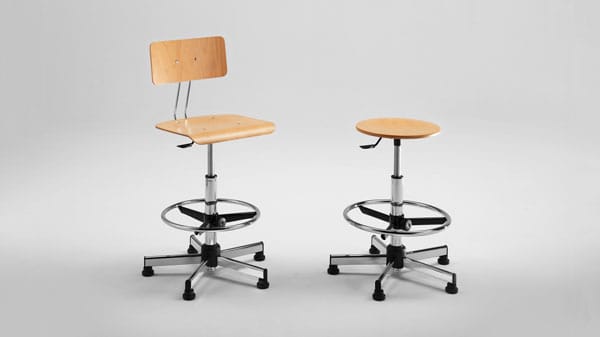
Laboratory stools are designed to provide stability, flexibility, and ergonomic support for researchers, technicians, and students working in labs. They come in various types, including adjustable-height stools, wheeled stools, and static stools. The choice of material, design, and functionality depends on the specific requirements of the lab setting.
Key Market Drivers
1. Increasing Research & Development Activities: The expansion of research labs in pharmaceutical, biotechnology, and chemical industries is fueling demand for high-quality laboratory stools.
2. Growing Focus on Ergonomics: Laboratories are emphasizing ergonomically designed stools to enhance comfort and reduce strain during prolonged working hours.
3. Rising Demand from Educational Institutions: Universities and research centers are investing in laboratory infrastructure, boosting the need for durable and functional stools.
4. Advancements in Materials and Design: Innovations in materials, such as antimicrobial coatings and chemical-resistant surfaces, are improving the durability and hygiene of laboratory stools.
Market Trends
- Customizable and Modular Designs: Laboratories are seeking adjustable and modular stools to accommodate various workspaces and tasks.
- Sustainability in Manufacturing: Eco-friendly materials and sustainable production methods are gaining traction in the market.
- Smart and Multi-Functional Stools: Some manufacturers are introducing stools with additional features like integrated footrests, lumbar support, and anti-fatigue cushioning.
Challenges
- Cost Constraints: High-quality ergonomic laboratory stools can be expensive, limiting their adoption in budget-conscious institutions.
- Durability Concerns: Stools used in harsh chemical environments must withstand wear and tear, posing a challenge for manufacturers.
- Supply Chain Disruptions: Fluctuations in raw material availability and shipping delays can impact production and delivery timelines.
Future Outlook
The laboratory stools market is expected to witness steady growth, with increasing emphasis on ergonomics, sustainability, and durability. As laboratories continue to evolve, the demand for innovative and high-quality seating solutions will rise.
Conclusion
The laboratory stools market is expanding in response to the growing needs of research facilities, healthcare institutions, and educational laboratories. By focusing on comfort, adaptability, and sustainability, manufacturers can capitalize on emerging opportunities in this essential market segment.