The District Heating Market: Trends, Challenges, and Future Growth
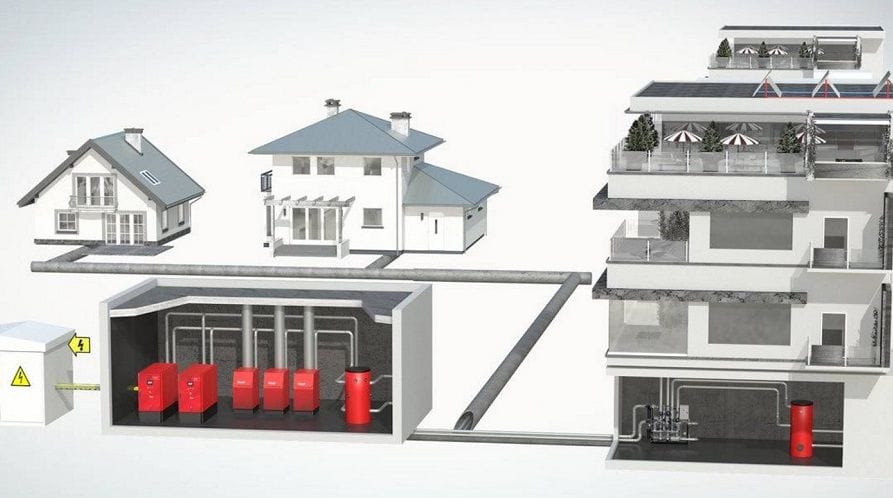
As the world moves towards sustainable and energy-efficient solutions, district heating has emerged as a key technology for reducing carbon emissions and optimizing energy consumption. District heating systems provide centralized heat distribution to residential, commercial, and industrial buildings, offering an environmentally friendly alternative to traditional heating methods. This blog explores the district heating market, key trends, challenges, and future opportunities.
Understanding District Heating
District heating is a centralized heating system that generates and distributes thermal energy from a central source to multiple buildings through a network of insulated pipes. This system efficiently utilizes waste heat from power plants, industrial processes, and renewable sources like biomass, geothermal energy, and solar thermal power. By reducing reliance on individual heating systems, district heating enhances energy efficiency and lowers greenhouse gas emissions.
District Heating Market Segmentation
By Heat Source:
- Combined Heat and Power (CHP)
- Biomass
- Geothermal
- Solar Thermal
- Waste Heat (industrial, data centers)
- Heat Pumps (air, water, ground source)
- Natural Gas/Fossil Fuels (transitional)
By Generation Type:
- First Generation (Steam-based)
- Second Generation (High-temperature water)
- Third Generation (Medium-temperature water)
- Fourth Generation (Low-temperature water)
By Application/End User:
- Residential Buildings
- Commercial Buildings (offices, retail)
- Industrial Facilities
- Public Institutions (hospitals, schools)
- Agricultural Facilities (greenhouses)
By Network Size/Scale:
- Large-Scale Urban District Heating
- Medium-Scale District Heating (towns, districts)
- Small-Scale/Micro District Heating (building complexes)
By Network Type:
- Open Networks
- Closed Networks
By Technology:
- Piping Systems (insulated, materials)
- Heat Exchangers
- Control and Monitoring Systems (SCADA, smart grids)
- Heat Meters
- Thermal Energy Storage
By Geographic Region:
- Europe (leading market)
- North America
- Asia Pacific
- Latin America
- Middle East & Africa
By Ownership/Business Model:
- Public Utilities
- Private Companies
- Public-Private Partnerships (PPPs)
- Community-Owned Systems
Key Market Trends
- Transition to Renewable Energy Sources
The shift towards low-carbon and renewable energy sources is driving investments in district heating systems that integrate biomass, geothermal, and solar thermal energy, reducing dependency on fossil fuels.
- Expansion of Smart and Digitalized Heating Networks
The integration of smart meters, AI-driven demand forecasting, and IoT-based monitoring systems is optimizing district heating efficiency, ensuring real-time control and cost savings for consumers.
- Government Initiatives and Policy Support
Governments worldwide are promoting district heating through incentives, regulations, and funding programs to encourage sustainable urban energy systems and meet climate goals.
- Rising Urbanization and Infrastructure Development
The increasing demand for efficient heating solutions in densely populated urban areas is fueling the adoption of district heating networks, particularly in Europe and Asia.
- Integration with Combined Heat and Power (CHP) Systems
District heating is increasingly combined with CHP plants, which generate both electricity and heat, maximizing energy efficiency and reducing overall energy costs.
Challenges in the District Heating Market
Despite its advantages, district heating faces several challenges:
- High Initial Investment Costs: Setting up district heating infrastructure requires substantial financial investment in pipelines, heat generation facilities, and distribution systems.
- Infrastructure Modernization Issues: Many existing district heating networks require upgrades to improve efficiency and integrate renewable energy sources.
- Regulatory and Market Barriers: Complex permitting processes, regional energy policies, and market regulations can slow the expansion of district heating projects.
- Competition from Decentralized Heating Systems: Individual heating solutions, such as heat pumps and gas boilers, remain popular alternatives, posing competition to district heating adoption.
Future Outlook
The district heating market is expected to grow steadily as cities embrace sustainable energy solutions to combat climate change. Innovations in waste heat recovery, digitalization, and renewable energy integration will further enhance the efficiency and affordability of district heating systems.
In conclusion, district heating is a crucial component of the transition to a sustainable energy future. By leveraging advanced technologies and policy support, district heating networks can play a significant role in reducing carbon footprints and improving energy efficiency worldwide.