Infantry Fighting Vehicle (IFV) Market: Revolutionizing Modern Combat
Market Overview
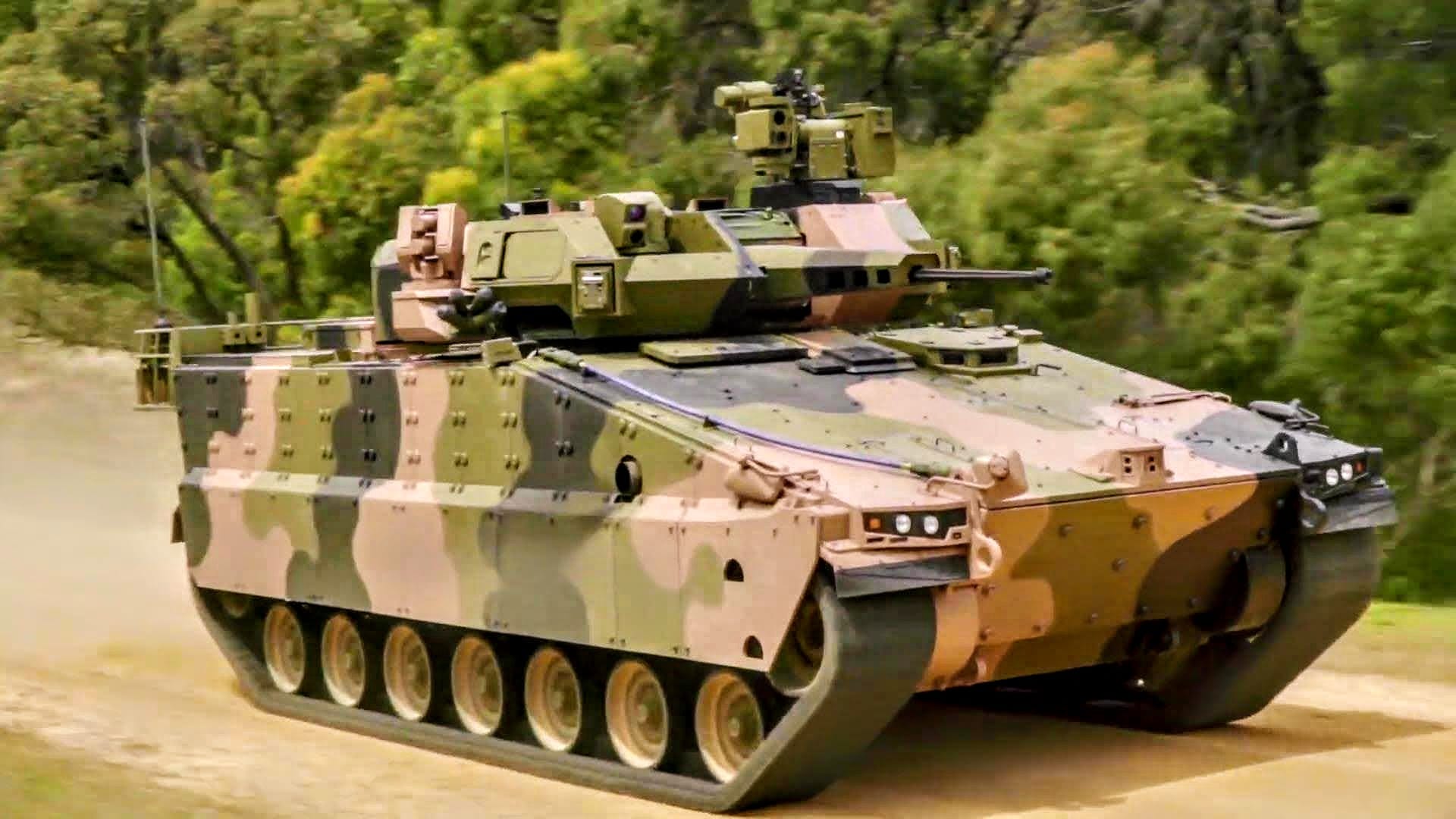
The Infantry Fighting Vehicle (IFV) Market is poised for growth as military forces around the world modernize and adapt to the demands of contemporary warfare. IFVs play a crucial role in modern combat, providing infantry units with mobility, firepower, and protection while allowing them to engage in close combat, fire support, and reconnaissance operations. These versatile vehicles combine the capabilities of armored vehicles and infantry support, making them a central component of combined arms operations in modern military strategies.
As defense budgets increase and military modernization programs continue worldwide, the global IFV market is projected to expand significantly from 2025 to 2031.
Key Market Drivers
1. Rising Geopolitical Tensions
- Regional conflicts and rising geopolitical tensions have significantly increased the demand for advanced military systems, including IFVs. Countries are investing heavily in modernizing their defense fleets to enhance combat readiness and protect territorial integrity.
- The increasing need to safeguard borders and maintain strategic superiority is driving the demand for highly mobile, heavily armored, and well-armed vehicles such as IFVs.
2. Increasing Focus on Military Modernization
- Many nations are undertaking comprehensive military modernization programs to replace outdated equipment and enhance the capabilities of their armed forces. IFVs, being a critical component of ground combat units, are receiving significant attention in terms of upgrades, new designs, and technological integration.
- NATO countries, in particular, are investing in next-generation IFVs equipped with advanced armor systems, fire control technology, and integrated electronic systems to improve combat effectiveness.
3. Technological Advancements in Armor and Weaponry
- Technological innovations in armor technology, including composite armor, active protection systems, and multi-layered protection, are making IFVs more resilient to anti-tank weapons and improvised explosive devices (IEDs).
- Enhanced weaponry, such as autocannons, guided missiles, and remote weapon stations, are being integrated into IFVs, increasing their lethality and versatility on the battlefield.
- The integration of autonomous systems and AI-driven decision-making tools is also driving the evolution of IFVs, making them more adaptable and capable of responding to dynamic combat environments.
4. Increasing Demand for Multi-Role Platforms
- Modern IFVs are designed as multi-role platforms, capable of performing a wide range of tasks beyond infantry transport. These vehicles are used for fire support, reconnaissance, command and control, and medical evacuation in addition to their primary role of supporting ground troops.
- The demand for versatile, all-encompassing combat vehicles is growing as military forces seek to maximize the utility of their assets and reduce operational costs.
5. Enhanced Infantry Protection
- One of the key roles of IFVs is to provide protection to infantry troops during combat operations. The development of heavily armored vehicles, equipped with blast-resistant floors, spaced armor, and NBC (nuclear, biological, chemical) protection systems, is significantly improving soldier safety.
- As threats from anti-armor weapons and asymmetric warfare tactics grow, the need for armored vehicles that can keep infantry safe in high-threat environments is more critical than ever.
Market Segmentation
1. By Type of IFV
- Tracked IFVs: These vehicles are more capable of traversing rough terrains, such as mud, snow, and sand, offering better mobility in off-road conditions. Tracked IFVs provide better stability and firepower in urban combat and open terrain.
- Wheeled IFVs: These are faster, more fuel-efficient, and easier to maintain than tracked IFVs. They are ideal for rapid deployment and urban warfare. Their lower operational costs make them attractive for countries with limited defense budgets.
2. By Technology Integration
- Conventional IFVs: Traditional models that rely on basic systems for mobility, armor, and firepower. These are widely used by developing countries and secondary military forces.
- Next-Generation IFVs: These vehicles are equipped with cutting-edge technology, such as active protection systems (APS), autonomous capabilities, advanced communication systems, and robotic integration. They are designed to be digitally connected for real-time battlefield awareness and enhanced combat coordination.
3. By Armor Protection
- Lightly Armored IFVs: These vehicles offer a balance between mobility and protection, suitable for tasks such as patrolling and counterinsurgency operations.
- Heavily Armored IFVs: These IFVs are designed to withstand direct hits from anti-tank weapons, explosives, and IEDs. They are commonly used in high-intensity combat scenarios and are favored by countries with significant military expenditure.
4. By End-User
- Defense Forces: National military forces represent the largest segment of IFV buyers, investing in large fleets of modern IFVs for ground combat operations.
- Government and Defense Contractors: Private sector companies, often in collaboration with governments, play a crucial role in designing, manufacturing, and supplying IFVs to various armed forces worldwide.
Regional Insights
- North America: The U.S. Army and Canadian military are key players in the region, investing heavily in next-generation IFVs for urban warfare and peacekeeping missions. Advanced technologies like active protection systems and automated systems are likely to drive future market growth in North America.
- Europe: NATO members such as Germany, France, and the UK are also major contributors to the IFV market, with a focus on interoperability, network-centric warfare, and advanced vehicle protection systems.
- Asia-Pacific: China, India, and South Korea are rapidly advancing their military capabilities, and IFVs are central to their defense modernization efforts. The region's focus on territorial defense and counterterrorism is likely to increase the demand for high-performance IFVs.
- Middle East and Africa: Countries like Saudi Arabia and Turkey are modernizing their armed forces, with a particular emphasis on modern IFVs for counterinsurgency operations and border security.
Competitive Landscape
The Infantry Fighting Vehicle Market is highly competitive, with several global defense companies leading the way in innovation and production. Key players in the market include:
- General Dynamics Corporation
- BAE Systems
- Rheinmetall AG
- Oshkosh Defense
- Kurganmashzavod
- Lockheed Martin
- Hanwha Defense
These companies are focused on developing next-generation IFVs with enhanced mobility, firepower, protection, and automation capabilities. They are also investing in international partnerships and collaborations to expand their market reach and strengthen their product offerings.
Future Outlook
The Infantry Fighting Vehicle Market is expected to continue growing in the coming years, driven by:
- Increasing demand for modernized military equipment in response to global security concerns.
- Integration of advanced technologies such as AI, machine learning, autonomous systems, and enhanced armor to improve battlefield effectiveness and soldier protection.
- Growing interest in multi-role platforms that offer greater flexibility and cost-effectiveness for military forces.
- The shift towards modernization and the growing focus on sustainability and eco-friendly technologies are likely to influence the design and production of IFVs in the future.
As armed forces around the world prioritize operational superiority, the Infantry Fighting Vehicle Market will continue to be a critical component of defense strategies, providing enhanced capabilities and support to infantry units on the modern battlefield.