Enhancing Safety with Innovation: A Deep Dive into the Anti-Slip Additives Market
Safety is paramount across industries from construction sites to automotive manufacturing, public spaces to household products. One critical yet often overlooked aspect of safety is slip resistance. To combat the risks associated with slippery surfaces, the anti-slip additives market is rapidly evolving, offering innovative solutions that enhance grip, reduce accidents, and ensure compliance with safety standards.
Get Free Sample For Anti-Slip Additives Market: https://www.theinsightpartners.com/sample/TIPRE00005063
What Are Anti-Slip Additives?
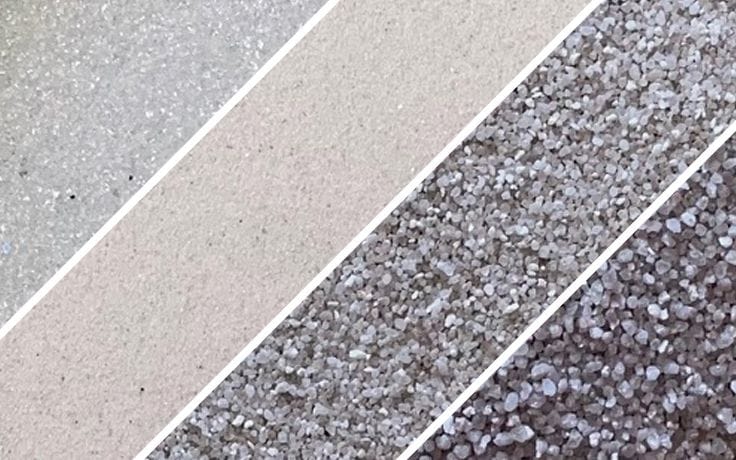
Anti-slip additives are specialized materials incorporated into coatings, paints, plastics, adhesives, sealants, and other surface treatments to increase friction and reduce the risk of slipping. These additives come in various forms, such as powders, granules, and fibers, and are engineered to provide texture or roughness on smooth surfaces without compromising aesthetics or durability.
Why is the Anti-Slip Additives Market Growing?
1. Increasing Workplace Safety Regulations
Governments and regulatory bodies worldwide have tightened safety protocols, mandating anti-slip measures in commercial and industrial settings. This has fueled demand for effective anti-slip additives in flooring, stair treads, ramps, and walkways.
2. Urbanization and Infrastructure Development
Rapid urban growth and infrastructure projects, including airports, shopping malls, sports arenas, and public transit hubs, require durable and safe surfaces. Anti-slip additives enhance the safety of high-traffic areas, helping to prevent costly accidents and liability claims.
3. Growth in Construction and Automotive Sectors
The construction industry incorporates anti-slip additives into paints, coatings, and flooring materials to comply with safety standards. Similarly, the automotive sector uses these additives in interior surfaces, tires, and pedals to improve grip and safety.
4. Rising Awareness About Accident Prevention
Consumers and businesses alike are more safety-conscious, seeking products that minimize slip hazards in homes, offices, and recreational facilities.
Types of Anti-Slip Additives
- Silica-based Additives: Highly durable, provide excellent grip, commonly used in coatings and paints.
- Alumina Trihydrate: Provides roughness and is used in plastics and coatings.
- Polymeric Beads: Offer transparency and are used in coatings where visual clarity is important.
- Natural Materials: Such as crushed walnut shells or sand, used for eco-friendly applications.
- Glass Beads: Often added to traffic paints for enhanced visibility and slip resistance.
Applications of Anti-Slip Additives
- Flooring and Decking: Commercial buildings, industrial floors, and residential spaces.
- Coatings and Paints: Anti-slip road markings, stair nosings, and ramps.
- Automotive: Pedal covers, floor mats, and tire tread formulations.
- Consumer Goods: Grip-enhancing additives in footwear, sporting goods, and tools.
- Marine & Aerospace: Safety surfaces in boats and aircraft to prevent slips.
Market Segmentation
- By Product Type:
- Silica-Based Additives
- Alumina-Based Additives
- Polymeric Additives
- Others (Natural, Glass Beads)
- By Application:
- Flooring & Decking
- Automotive
- Construction
- Consumer Goods
- Marine & Aerospace
- By End-User Industry:
- Industrial
- Commercial
- Residential
- Automotive & Transportation
Regional Insights
- North America & Europe: Lead in stringent safety regulations and high adoption of anti-slip technologies in construction and automotive sectors.
- Asia-Pacific: Rapid urbanization and industrial growth drive demand for safety-enhancing materials.
- Latin America & Middle East: Emerging focus on workplace safety standards is encouraging market growth.
Leading Market Players
- W.R. Grace & Co.
- Evonik Industries AG
- 3M Company
- Saint-Gobain Performance Plastics
- Shandong Mincon Technology Co., Ltd.
- Nippon Chemical Industrial Co., Ltd.
These companies invest heavily in R&D to develop additives that are highly effective, durable, and environmentally friendly.
Trends and Innovations
- Eco-Friendly Additives: Biodegradable and non-toxic additives gaining traction.
- Nanotechnology: Enhancing slip resistance without affecting surface appearance.
- Multi-Functional Additives: Combining anti-slip properties with antimicrobial or UV resistance.
- Customization: Tailoring additive particle size and texture for specific surface needs.
Challenges
- Cost Implications: High-performance additives can increase production costs.
- Compatibility Issues: Ensuring additives work well with different base materials.
- Regulatory Compliance: Navigating varied international standards and certifications.
Market Outlook
The Anti-Slip Additives Market is projected to grow at a CAGR of around 6-8% over the next five years. Increasing awareness of safety, expanding infrastructure, and technological advances in additive formulations will be the key growth drivers.
Conclusion
Anti-slip additives may be unseen heroes in the quest for safer environments, but their impact is undeniable. By enhancing surface grip across a multitude of applications, they play a crucial role in preventing accidents and promoting safety. As innovation continues to blend safety with sustainability, the anti-slip additives market stands as a vital sector in the global safety landscape.