Endoscope Camera Heads Market: Trends, Challenges, and Future Prospects
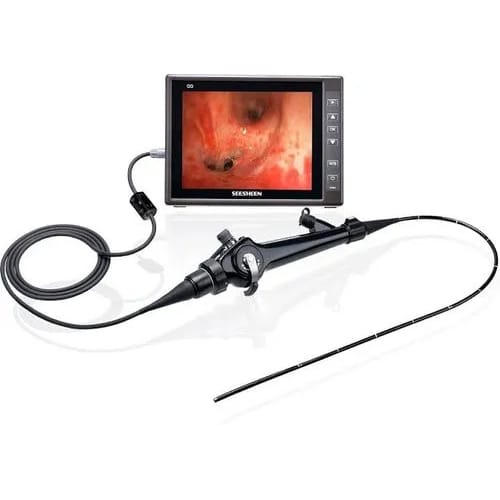
Endoscope camera heads are essential components in modern medical imaging, providing high-definition visualization for minimally invasive surgeries and diagnostic procedures. With the increasing prevalence of endoscopic procedures across various medical specialties, advancements in imaging technology, and the demand for improved surgical precision, the endoscope camera heads market is experiencing significant growth. This blog explores key trends, challenges, and future opportunities shaping the global endoscope camera heads market.
Key Trends in the Endoscope Camera Heads Market
- Growing Adoption of Minimally Invasive Procedures: The shift toward minimally invasive surgeries (MIS) is driving demand for high-resolution endoscope camera heads that offer enhanced visualization.
- Technological Advancements in Imaging: Innovations such as 4K UHD, 3D imaging, and fluorescence-guided surgery are improving accuracy and real-time diagnostics.
- Integration of AI and Digital Imaging Solutions: AI-powered image enhancement and real-time analytics are optimizing endoscopic procedures, improving diagnostic capabilities.
- Wireless and Portable Endoscope Camera Heads: The development of wireless and lightweight camera heads is enhancing maneuverability and ease of use in operating rooms.
- Increasing Demand in Emerging Markets: The expansion of healthcare infrastructure and rising medical tourism in developing regions are contributing to market growth.
Challenges in the Endoscope Camera Heads Market
Despite its growth, the market faces several challenges:
- High Cost of Advanced Endoscope Camera Heads: Premium imaging technology and camera systems can be expensive, limiting their adoption in smaller medical facilities.
- Stringent Regulatory Approvals: Compliance with evolving medical device regulations and quality standards can delay market entry for new products.
- Shortage of Skilled Professionals: Proper handling and interpretation of advanced endoscopic imaging require specialized training, which may not be widely available.
- Concerns Over Infection Control and Sterilization: Endoscopic equipment must meet strict hygiene standards to prevent cross-contamination, posing challenges for hospitals and clinics.
- Limited Reimbursement Policies: In some regions, inadequate reimbursement for endoscopic procedures can impact the adoption of high-end camera technologies.
Future Growth and Market Expansion
Several factors indicate a promising future for the endoscope camera heads market:
- Increased Investment in Healthcare Technology: Governments and private organizations are boosting funding for advanced medical imaging solutions.
- Development of AI-Driven Endoscopic Systems: AI-assisted image recognition and automated diagnostics will enhance the accuracy and efficiency of endoscopic procedures.
- Advancements in Miniaturization and Wireless Technology: Smaller, more portable camera heads will improve usability in complex medical environments.
- Expansion of Telemedicine and Remote Diagnostics: The integration of endoscopic imaging with telemedicine platforms will enable remote consultations and diagnostics.
- Growing Applications Beyond Traditional Endoscopy: Endoscope camera heads are being increasingly used in robotics-assisted surgeries, ENT procedures, and AI-driven imaging solutions. While challenges such as high costs and regulatory complexities persist, ongoing innovations in digital imaging, miniaturization, and tel gastroenterology applications.
Conclusion
The endoscope camera heads market is poised for continuous expansion, driven by technological advancements, rising demand for minimally invasive surgeries, and the integration of medicine, which will shape the future of endoscopic diagnostics and surgical precision. As healthcare providers continue to prioritize high-quality imaging solutions, the demand for advanced endoscope camera heads will remain strong.