Endodontic Devices Market: Trends, Challenges, and Future Prospects
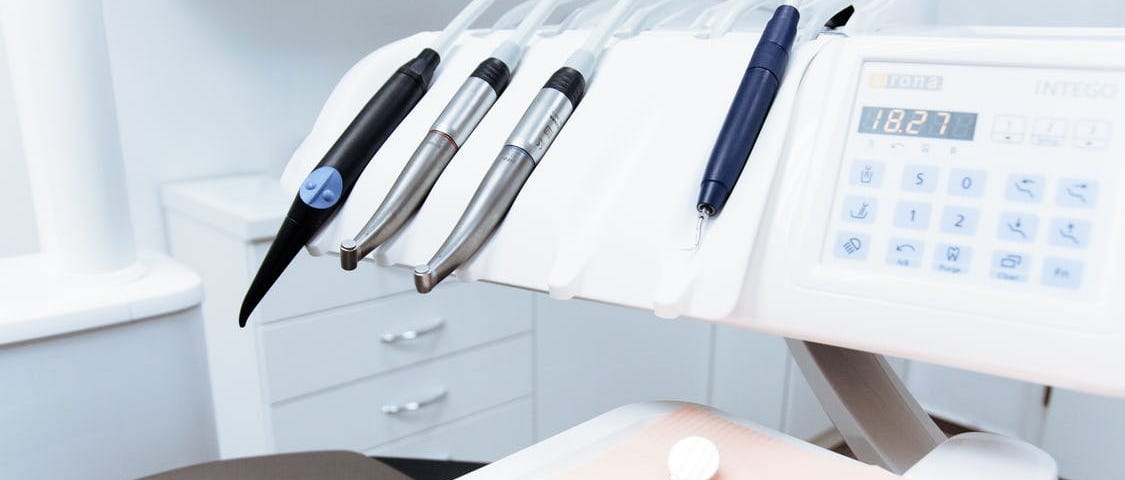
Endodontic devices are essential tools in modern dentistry, enabling efficient diagnosis and treatment of root canal infections and other dental conditions. With the rising prevalence of dental disorders, increased awareness of oral health, and advancements in dental technology, the endodontic devices market is witnessing substantial growth. This blog explores key trends, challenges, and future opportunities shaping the global endodontic devices market.
Key Trends in the Endodontic Devices Market
- Growing Demand for Root Canal Treatments: An increase in cases of dental caries and pulp infections is driving the need for endodontic procedures.
- Technological Advancements in Endodontics: Innovations such as rotary endodontic instruments, laser-assisted treatments, and 3D imaging are improving treatment accuracy and efficiency.
- Rising Adoption of Minimally Invasive Procedures: The preference for minimally invasive techniques is driving the demand for advanced endodontic instruments and biocompatible materials.
- Integration of AI and Digital Dentistry: AI-driven diagnostics and digital workflows are enhancing precision in endodontic treatments.
- Expansion of Dental Tourism: Countries with advanced yet affordable dental care services are witnessing an increase in international patients seeking endodontic procedures.
Challenges in the Endodontic Devices Market
Despite its growth, the market faces several challenges:
- High Cost of Advanced Endodontic Devices: Premium endodontic equipment and materials can be expensive, limiting their adoption in smaller dental practices.
- Shortage of Skilled Endodontists: Proper handling of advanced endodontic devices requires specialized training, which may not be available in all regions.
- Limited Awareness and Access in Developing Regions: Inadequate dental healthcare infrastructure in emerging economies hampers market growth.
- Strict Regulatory Approvals: Compliance with evolving dental device regulations and quality standards can delay market entry for new products.
- Concerns Over Post-Treatment Complications: Patient concerns regarding the success rates and safety of endodontic procedures can influence market dynamics.
Future Growth and Market Expansion
Several factors indicate a promising future for the endodontic devices market:
- Increased Investment in Dental Healthcare: Governments and private organizations are boosting funding for advanced dental care services and technologies.
- Rising Popularity of Regenerative Endodontics: Innovations such as stem cell therapy and bioengineered dental tissues are paving the way for regenerative endodontic treatments.
- Development of Smart Endodontic Devices: AI-assisted tools and real-time data analytics will enhance precision and patient outcomes.
- Expanding Dental Insurance Coverage: Wider availability of dental insurance is expected to drive more patients toward professional endodontic care.
- Growing Demand for Aesthetic Dentistry: Patients seeking cosmetic dental procedures often require endodontic treatments, contributing to market growth.
Conclusion
The endodontic devices market is poised for continuous expansion, driven by advancements in dental technology, growing patient awareness, and an increasing demand for root canal treatments. While challenges such as cost barriers and regulatory complexities persist, ongoing innovations in AI, regenerative dentistry, and minimally invasive procedures will shape the future of endodontic care. As the focus on oral health continues to rise globally, the demand for high-quality endodontic devices will remain strong.