Construction Camera Market: Trends, Growth, and Future Outlook
Introduction
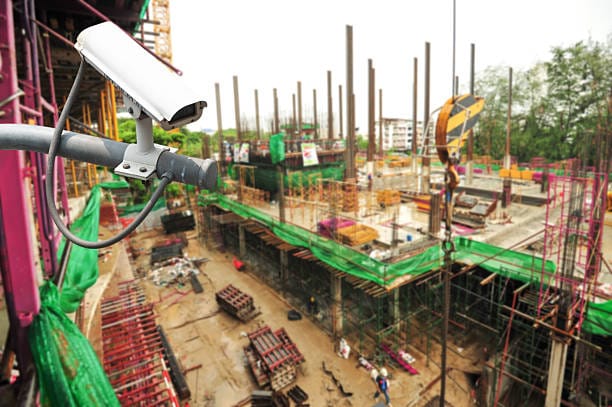
The construction camera market is experiencing rapid growth as project managers and contractors seek real-time monitoring solutions to improve efficiency, security, and documentation. These cameras provide high-resolution imaging, time-lapse video capabilities, and remote access to construction sites, making them an essential tool in modern construction management. This blog explores key trends, market drivers, challenges, and future opportunities shaping the construction camera industry.
Market Overview
Construction cameras are used to monitor progress, enhance site security, and streamline project management. These cameras range from fixed-position time-lapse cameras to AI-powered surveillance systems that provide analytics and automation. Industries such as infrastructure, commercial construction, and residential development are increasingly adopting construction cameras to enhance transparency and efficiency.
Key Market Drivers
- Rising Demand for Remote Project Monitoring: Real-time access to construction site footage enables better decision-making and project oversight.
- Advancements in AI and Cloud-based Solutions: AI-powered analytics, automated alerts, and cloud storage are revolutionizing the way construction sites are managed.
- Improved Safety and Security Measures: Construction cameras help reduce theft, vandalism, and workplace accidents by providing 24/7 surveillance.
- Time-lapse and Documentation for Compliance: Time-lapse technology assists in project documentation, compliance verification, and stakeholder reporting.
- Growth in Smart Construction Practices: The integration of IoT and digital transformation in construction is driving demand for intelligent monitoring solutions.
Challenges in the Market
- High Installation and Maintenance Costs: Advanced camera systems with AI capabilities can be expensive for smaller construction firms.
- Internet Connectivity Limitations: Remote construction sites often face connectivity issues, impacting real-time monitoring capabilities.
- Data Storage and Privacy Concerns: Managing large volumes of video data and ensuring privacy compliance are key challenges for businesses.
- Weather and Environmental Durability: Harsh weather conditions can affect the performance and lifespan of construction cameras.
Market Trends
- Adoption of AI-powered Surveillance: AI-based motion detection, facial recognition, and automated alerts are enhancing construction site security.
- Rise of Drone-based Monitoring: Drones equipped with high-resolution cameras are being used for aerial construction site inspections.
- Cloud-based Video Storage and Analytics: Cloud technology is enabling seamless storage, retrieval, and AI-driven analysis of construction footage.
- Integration with Building Information Modeling (BIM): Construction cameras are being integrated with BIM software for enhanced project planning and visualization.
Future Prospects
The construction camera market is expected to grow as digital transformation reshapes the construction industry. With continued advancements in AI, IoT, and cloud computing, construction cameras will play an even more critical role in project efficiency, security, and compliance. Companies investing in smart camera technology and scalable solutions will gain a competitive edge in this evolving market.
Conclusion
Construction cameras are revolutionizing project management by offering real-time insights, enhanced security, and comprehensive documentation. As the industry continues to adopt smart monitoring solutions, the demand for advanced construction cameras will increase. By embracing new technologies, construction firms can improve efficiency, reduce risks, and drive innovation in site management.