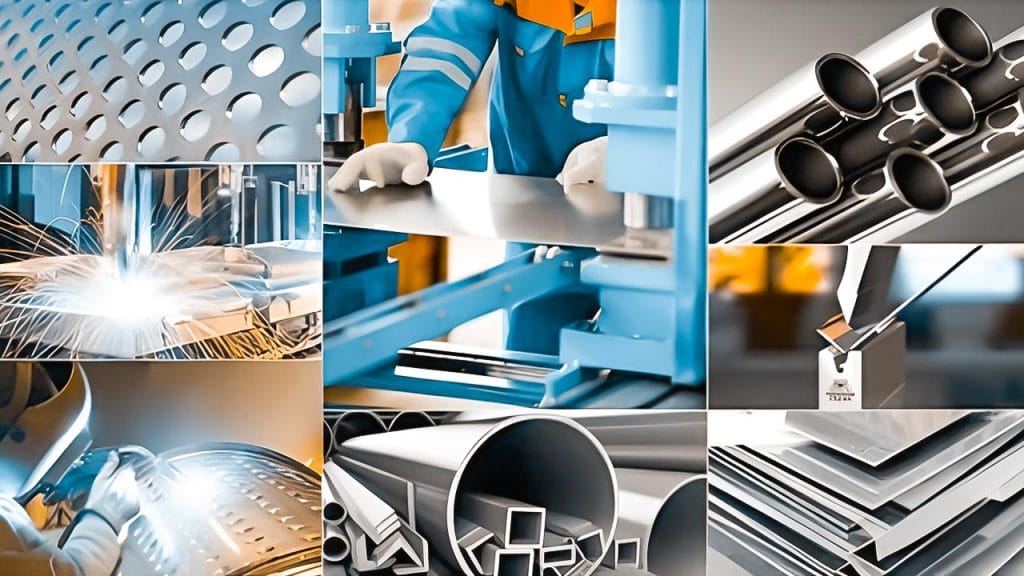
Clamping Devices Market: Trends, Growth Factors, and Future Prospects

Introduction
Clamping devices play a crucial role in various industries, providing secure positioning and fastening solutions for manufacturing, machining, and assembly processes. These devices are essential in ensuring precision, safety, and efficiency in industrial applications ranging from automotive production to aerospace engineering and woodworking.
With the increasing demand for automation and precision engineering, the global clamping devices market is witnessing steady growth. This blog explores key market trends, growth drivers, challenges, and future opportunities shaping the industry.
Market Overview
Clamping devices are used to hold workpieces firmly in place during operations such as cutting, welding, drilling, and machining. These devices come in various forms, including manual clamps, pneumatic clamps, hydraulic clamps, and electric clamps, each suited to specific applications.
Key Market Segments
1. By Type:
o Manual Clamps
o Pneumatic Clamps
o Hydraulic Clamps
o Electric Clamps
2. By Application:
o Automotive
o Aerospace & Defense
o Manufacturing & Machining
o Construction
o Woodworking
o Electronics
3. By End-Use Industry:
o Industrial & Machinery
o Automotive & Transportation
o Aerospace & Defense
o Consumer Electronics
o Others
4. By Region:
o North America
o Europe
o Asia-Pacific
o Latin America
o Middle East & Africa
Market Drivers
1. Growing Demand for Precision Manufacturing
The rise in automation and advanced manufacturing techniques requires high-precision clamping solutions to ensure accuracy and efficiency in machining and assembly.
2. Expansion of the Automotive & Aerospace Sectors
With increased vehicle production and advancements in aerospace engineering, the demand for high-quality clamping devices in fabrication and assembly processes is on the rise.
3. Adoption of Industry 4.0 and Smart Manufacturing
The integration of IoT, robotics, and AI-driven automation in industrial processes is driving the need for advanced clamping devices with remote monitoring and automated control capabilities.
4. Growth of Construction & Infrastructure Development
Clamping devices are widely used in construction applications, including scaffolding, pipe fitting, and structural fabrication, contributing to market expansion.
5. Increased Use in Electronics & Consumer Goods Manufacturing
The growing demand for compact and high-precision electronic devices requires specialized clamping solutions in PCB assembly, semiconductor fabrication, and microelectronics manufacturing.
Market Challenges
1. High Initial Investment for Advanced Clamping Systems
While manual clamps are affordable, automated and precision clamping solutions can be costly, making adoption difficult for small-scale manufacturers.
2. Complexity in Integration with Automated Systems
Implementing smart clamping devices in industrial automation requires seamless integration with existing manufacturing systems, which can pose challenges.
3. Availability of Low-Cost Alternatives
Low-cost clamps and fixtures, particularly from unorganized manufacturers, may compete with premium precision clamping solutions, affecting market revenue.
4. Supply Chain Disruptions
Fluctuations in raw material availability and global trade uncertainties can impact the production and distribution of clamping devices.
Future Outlook
The clamping devices market is poised for steady growth, driven by technological advancements and increasing industrial automation. Key future trends include:
- Development of Smart & Automated Clamping Solutions: Clamps with real-time monitoring, remote control, and adaptive force adjustments will enhance efficiency and precision.
- Expansion in Emerging Markets: Industrial growth in Asia-Pacific, Latin America, and the Middle East will drive demand for advanced clamping devices.
- Sustainable & Energy-Efficient Designs: Manufacturers will focus on eco-friendly materials and energy-efficient hydraulic and pneumatic clamping solutions.
- 3D Printing & Customization: The rise of additive manufacturing will enable the production of highly customized clamping solutions for specific applications.
Conclusion
The clamping devices market is an integral part of modern industrial operations, ensuring precision, safety, and efficiency across various sectors. As industries embrace automation and smart manufacturing, the demand for advanced clamping solutions will continue to rise. Companies investing in innovation, customization, and sustainability will lead the market in the coming years.